




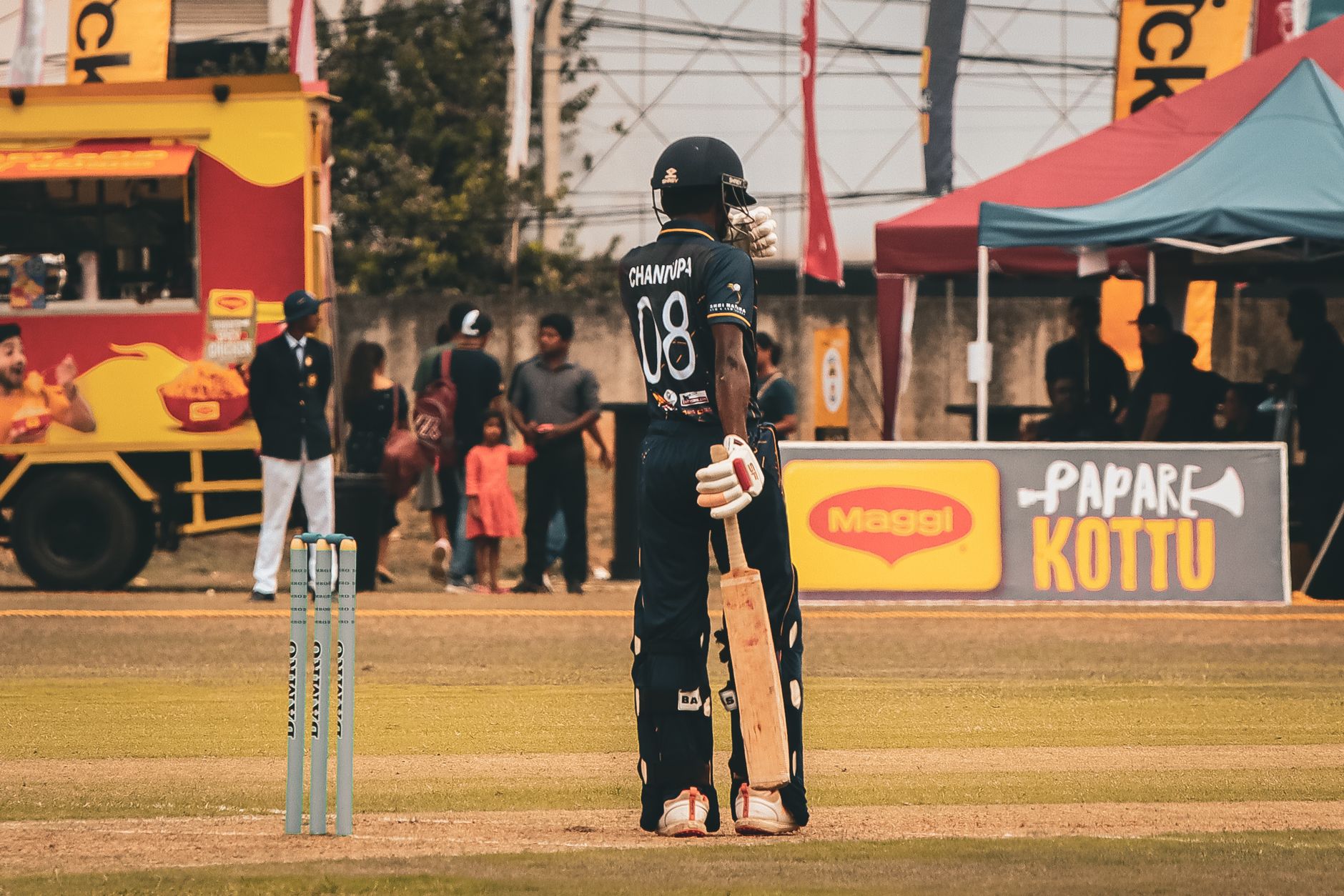
Sri Lanka cricket reforms are being unveiled by the Transformation Committee, aiming to reshape the landscape of the sport. The proposed changes include reducing the number of top clubs and introducing four-day cricket.
Overview of Sri Lanka cricket reforms
Sri Lanka cricket reforms have emerged as a significant topic of discussion following the recent unveiling by the Transformation Committee. The proposed changes aim to reshape the landscape of cricket in the country, addressing long-standing issues and enhancing the overall structure of the sport.
Key elements of the reforms include:
- Reduction in the number of top clubs, which is expected to streamline competition and improve the quality of cricket.
- Introduction of four-day matches, allowing players to develop their skills in a more challenging format.
- Implementation of a new constitution that aims to bring greater transparency and governance to Sri Lankan cricket.
These reforms are being viewed as a crucial step towards revitalizing Sri Lanka cricket and restoring its former glory on the international stage.
Impact of fewer top clubs
The recent reforms in Sri Lankan cricket, particularly the decision to reduce the number of top clubs, are expected to have a significant impact on the sport’s landscape. By streamlining the club structure, the reforms aim to enhance competition and improve player development. Fewer top clubs will allow for more resources and attention to be focused on each club, fostering a more nurturing environment for emerging talent.
Moreover, this shift may lead to a more cohesive cricketing culture within the country, as clubs will have the opportunity to collaborate more effectively. Sri Lanka cricket reforms also emphasize the importance of quality over quantity, ensuring that the best players are given a platform to shine. As the cricketing community adjusts to these changes, the potential for revitalization within the sport seems promising.
Introduction of four-day cricket
The introduction of four-day cricket marks a significant shift in the landscape of Sri Lanka cricket reforms. This change aims to enhance the quality of the game and provide players with a more substantial platform to showcase their skills. Unlike the traditional five-day format, four-day matches are designed to be more engaging for fans while still preserving the essence of test cricket.
Supporters argue that this format will:
- Encourage a more aggressive style of play.
- Attract a younger audience.
- Provide players with a chance to adapt to international standards.
As Sri Lanka continues to evolve its cricketing framework, the shift to four-day matches could be a crucial step in revitalizing its cricketing culture and improving overall performance on the global stage.
Details on the new constitution
The Sri Lanka cricket reforms are set to reshape the governance and structure of the sport in the country, with a new constitution being a pivotal element. This updated framework aims to enhance transparency and accountability within the cricket administration. Key details of the new constitution include:
- Decentralized Governance: The establishment of regional committees to promote local cricket.
- Merit-based Selection: A commitment to selecting players based on performance rather than connections.
- Youth Engagement: Initiatives to involve young cricketers in decision-making processes.
- Financial Oversight: Enhanced measures for financial transparency and management.
These reforms are part of a broader strategy to revitalize Sri Lankan cricket and are seen as a significant step towards a more sustainable and competitive future for the sport.
Reactions from players and fans
Reactions from players and fans regarding the Sri Lanka cricket reforms have been mixed. Many players have expressed optimism about the changes, particularly the introduction of four-day cricket, which is seen as a way to improve the quality of the domestic game.
However, some have voiced concerns about the reduction in the number of top clubs, fearing it could limit opportunities for emerging talent. Former captain Kumar Sangakkara stated, “While the reforms aim to streamline the system, we must ensure that all regions have access to competitive cricket.”
Fans are also divided; many are hopeful that these reforms will lead to a stronger national team, while others worry about the potential downsides of concentrating power among fewer clubs. As the dust settles, it remains to be seen if these Sri Lanka cricket reforms will bring about the positive change that is desperately needed.
Photo by Lesandu Alokabandara on Pexels