




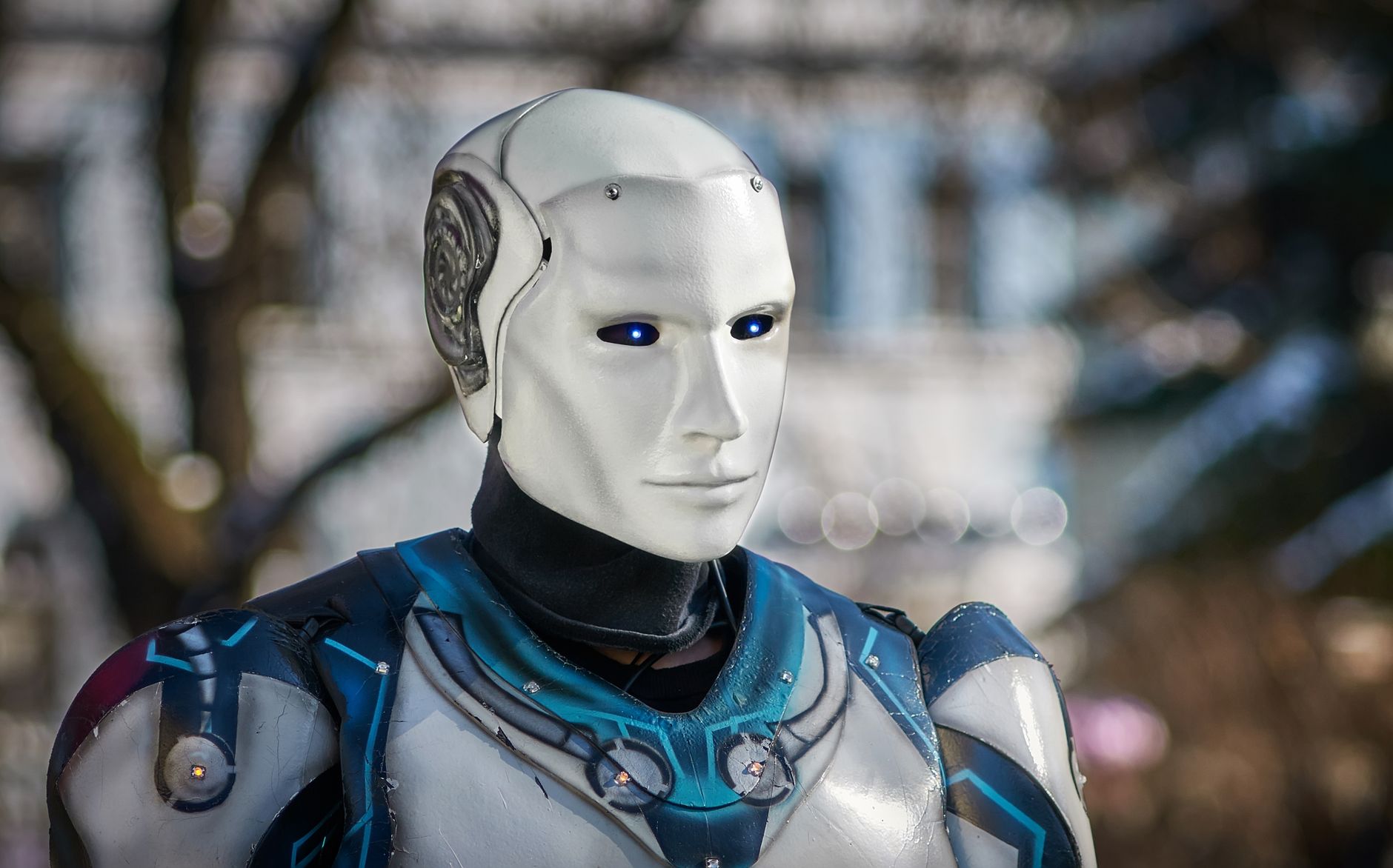
The AI-generated character has recently drawn scrutiny from the UK Advertising Standards Authority, raising questions about its appropriateness in advertising. This incident highlights ongoing debates surrounding AI in marketing.
What is the AI-generated character controversy?
The introduction of the AI-generated character has sparked significant debate within the creative industry. Critics argue that using such characters can lead to a dilution of authenticity in storytelling. They believe that audiences may struggle to connect with digital personas, which lack the depth and emotional resonance often found in traditional character development. Midnite, a prominent player in the advertising space, recently faced backlash from the UK Advertising Standards Authority due to its use of an AI-generated character in a campaign.
Supporters of AI-generated characters, however, see potential for innovation and efficiency. They argue that these characters can provide unique narratives and appeal to tech-savvy audiences. The controversy raises important questions about the future of character creation in media and whether AI-generated characters can coexist with human artistry.
- Concerns over authenticity
- Industry innovation potential
- Balancing technology and artistry
Reactions from the UK Advertising Standards Authority
The recent decision by the UK Advertising Standards Authority (ASA) to reprimand Midnite has sparked widespread debate. The ASA’s ruling centered on the use of an AI-generated character in advertising, citing concerns over its potential to mislead consumers.
According to the ASA, the character’s lifelike appearance could confuse viewers about the authenticity of the product being promoted. They emphasized the need for transparency in advertising, particularly when employing AI-generated characters that may not represent reality.
In response to the controversy, several industry experts have weighed in:
- Sarah Jones, a marketing analyst, stated that while AI-generated characters can enhance engagement, clarity is essential.
- Mark Wu, an ethical advertising advocate, argued that misleading representations could erode consumer trust.
The ongoing discussion raises critical questions about the future of AI-generated characters in marketing campaigns.
Impact on Midnite’s advertising strategy
The introduction of the AI-generated character into Midnite’s advertising strategy has sparked considerable debate. While some see it as an innovative approach to engage consumers, others argue it risks alienating potential customers. The character was designed to resonate with a younger audience, leveraging AI technology to create relatable content.
However, the rebuke from the UK Advertising Standards Authority has raised questions about the effectiveness of such tactics. Critics contend that the use of an AI-generated character may lack authenticity, which could hinder brand trust.
Moreover, the controversy has highlighted the need for companies to navigate the fine line between creativity and ethical advertising. As Midnite reassesses its strategy, it will need to consider whether the benefits of using an AI-generated character outweigh the potential backlash it may face in the future.
Public opinion on AI in marketing
Public opinion on the use of AI-generated characters in marketing is divided. Some consumers express enthusiasm, viewing these characters as innovative and engaging. They appreciate the creativity behind AI-generated characters, believing they can enhance brand identity and connect with younger audiences.
However, others raise concerns about authenticity and emotional connection. Critics argue that AI-generated characters lack the genuine human touch that resonates with consumers. They worry that relying on artificial intelligence in advertising could lead to a disconnect, making brands seem less relatable.
Additionally, there are ethical considerations surrounding the use of AI in marketing. Many people question whether AI-generated characters can truly represent diverse perspectives and experiences. As the debate continues, brands like Midnite must navigate these differing viewpoints to evaluate the effectiveness and potential risks of using AI-generated characters in their campaigns.
Future of AI-generated characters in gambling
The future of AI-generated characters in gambling remains uncertain as industry leaders weigh the potential benefits against the risks. As AI technology continues to evolve, its application in advertising could reshape how brands engage with consumers. However, the controversy surrounding AI-generated characters raises important questions about ethical marketing practices.
Many companies are exploring the use of AI-generated characters to enhance brand identity and appeal to younger audiences. Incorporating these digital personas could streamline advertising efforts and create personalized experiences. Still, the negative feedback from regulatory bodies like the UK Advertising Standards Authority highlights the need for caution.
Ultimately, the success of AI-generated characters in gambling will depend on how well companies balance innovation with responsibility, ensuring that their marketing strategies resonate positively with their audience while adhering to regulatory guidelines.
Photo by igovar igovar on Pexels